9 Best Beach Chairs Reviewed

No trip to the beach is complete without a great chair to plop down on.
There is more to a beach chair than you might think though, and finding the best beach chair requires looking deep into the variety of features.


No trip to the beach is complete without a great chair to plop down on.
There is more to a beach chair than you might think though, and finding the best beach chair requires looking deep into the variety of features.
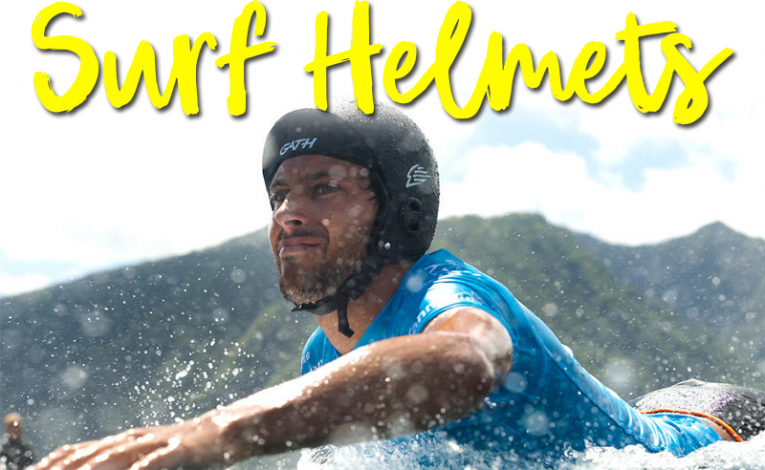
For the vast majority of surfers in the world, wearing a surf helmet may seem like a crazy and kooky idea...
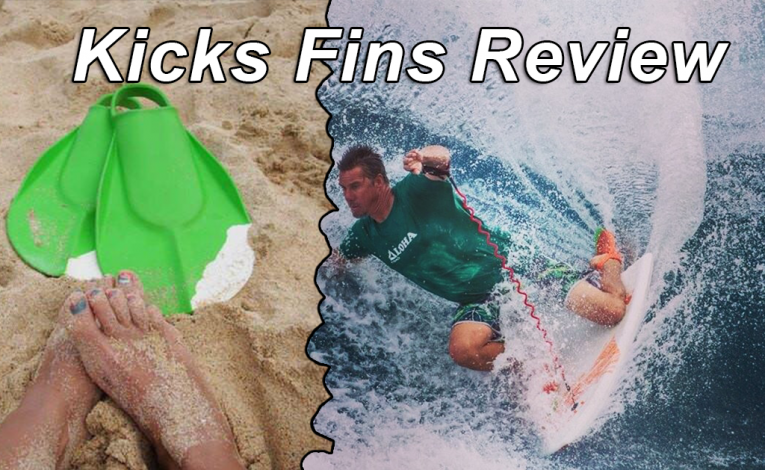
When Aka Lyman was on his way to becoming Hawaii’s favorite drop knee rider in the 1990's, he was also studying how to make the world’s best swim fins.
He initially thought of a design that could survive the heaviest of Hawaiian waves, but he also wanted something that could help any rider perform drop knee maneuvers with more ease.
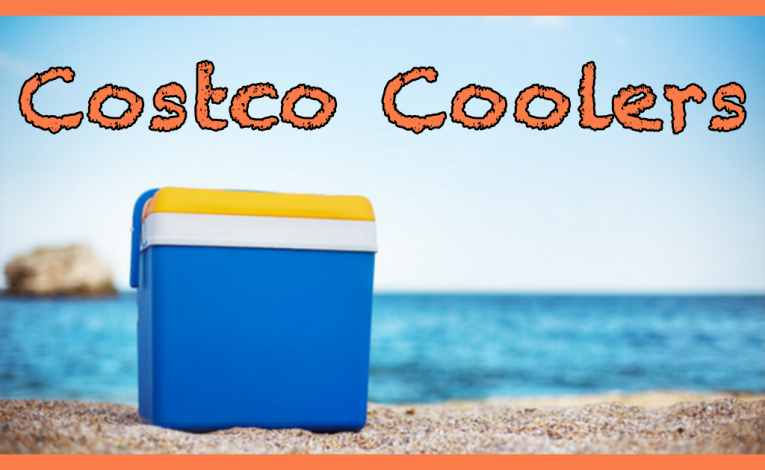
During summer, if you want to keep something on ice while outside the freezer for several minutes, then you would need a cooler. But which cooler is the best for you?
You wouldn’t be a bodyboarder if you didn’t know Thomas Hugh Morey or Tom Morey. Tom was born to be an innovator; he graduated with a degree in Mathematics and worked in the engineering department of an aircraft company, where he had access to revolutionary materials. More than that, he was an all around waterman. Growing up in Southern California, he decided to make use of his professional skills to develop inventions for wave riding. In 1971, he invented the bodyboard.
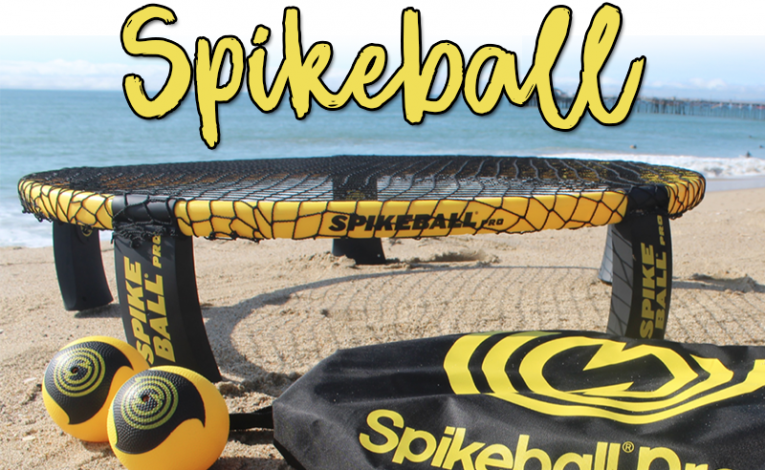
If you’re looking for a sweet summer game that’s bound to make for a good time whether at the beach or camping, you should keep reading our ultimate Spikeball review!
There’s nothing quite like hanging out outdoors on a beautiful summer day. Who doesn’t love to kick back with a couple beers and a couple brews while having some fun under the sun?
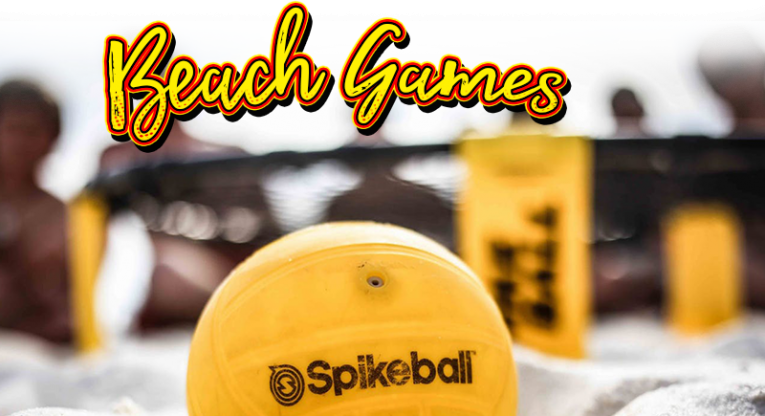
Many avid beachgoers enjoy shredding the barrels, whomping in the waves, or just lying and collecting some rays to get that slick summer tan.
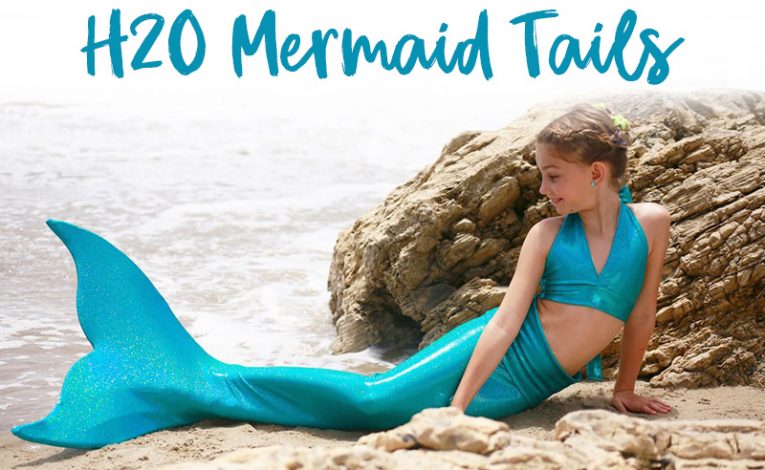
Is there anything in the world that could make a day out in the water an entirely more magical experience? The answer is H2O Mermaid Tails...
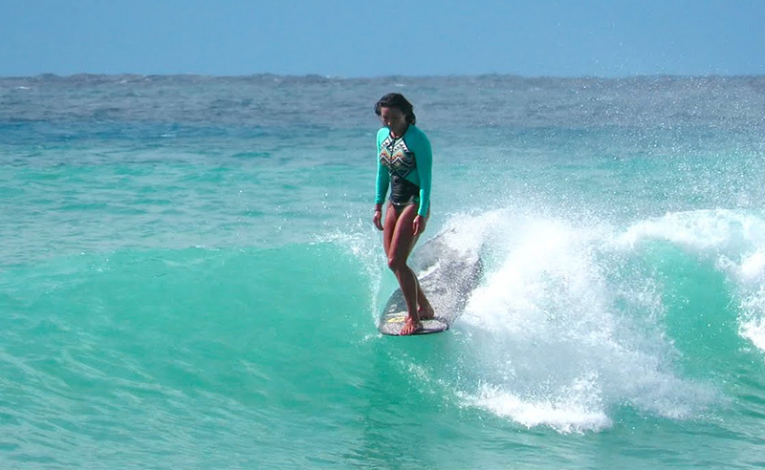
It’s almost hard to fathom that what was once essentially a giant log, has paved way for an entire culture of surfing, mentally, physically, and spiritually.
Longboards are the most iconic symbols of surf history.
From the ancient Polynesians to The Beach Boys, longboards have been ridden for generations, and it’s almost impossible to pin down their exception.
Now obviously longboards have come quite a ways, even in recent history, so we’ll start as far back as we know.
There are ancient texts from 500AD that scientists have found speaking on longboards. These sixth-century Polynesians treated these giant logs like major status symbols.
Those with the most status were known to ride longboards up to 25 feet long. Yea, that’s not a typo.
It wasn’t until 1778 that a European man discovered and recorded the first Western witness of the sport.
A Hawaiin man named George Freeth brought his longboard to Redondo Beach in 1907 to show off his skills to the California locals. He was the first recorded man to bring a surfboard to the continent, and word spread fast. It wasn’t until the 1930s that more modern longboards like we know today started being produced. Tom Blake, a Wisconsin man, moved to Hawaii to build what was known as the “Cigar Board”. It’s incredible speed made it instantly desirable to local surfers, so he decided to put them into mass-production.
During the 1930s, the shape began to take better form. Balsa wood was introduced, largely decreasing the weight of longboards, making them easy to transport. Hawaiian shapers began tapering their tails to add speed to their boards. Tom Blake even became the first to add on a fixed tail fin, giving stability to boards that were once finless. They were slowly becoming much easier to ride and more available to the public.
Longboards are pretty much any big boards between 8’ and 12’. There are some typical features that you’ll find on them. Usually, you’ll find longboards with square or rounded tail. In terms of fins, they were most popular with singles for quite some time. Nowadays, you can find longboards with all kinds of configurations such as tri-fin, 2+1, etc.
Longboards are much wider than other boards and have more volume than pretty much any boards out there, giving them tons of buoyancy.
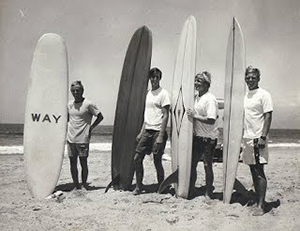
The longboard never really “caught on”, as it was the only board available for quite some time.
Surfing definitely caught on though, and it became a phenomenon in about three places: California, Australia, and Hawaii. The surf craze in the 1960’s that was proliferated by pop culture icons such as the Beach Boys was truly thanks to a surf film called “Gidget” that was released in 1959.
Previously empty beaches were now packed with longboarders trying to get into the new craze. For more than a decade, surfing longboards was the hottest thing in California before the popularity of shortboards swept them in the early 70s.
Longboards are iconic and everyone should have one. They make it possible to take it slow on some days, ride small waves, and just chill out. Unlike shortboards, which are competitive, longboards reflect a more spiritual and traditional side of surfing. If you’re someone who is learning to surf, longboards are the ideal learning vehicles. They’re extremely buoyant, very easy to paddle with, and can surf mushy waves better than any other type of board out there.
If you’re an experienced surfer, there are most likely days where your local break is not quite hitting it. In this instance, having a longboard will still allow you to get out in the waves and catch a few.
Longboards go back further than we can even imagine. Without them, surfing wouldn’t exist.
It’s funny that not many people ride them today, as surfers seem more interested in pushing their limits instead of enjoying the ride.
We hope that you can see the longboard for what it is and appreciate its beauty.
The longboards exudes ease, brotherhood, love, and relaxation. It’s definitely the “hippy” of surfboards and one that we’re positive will always be around.
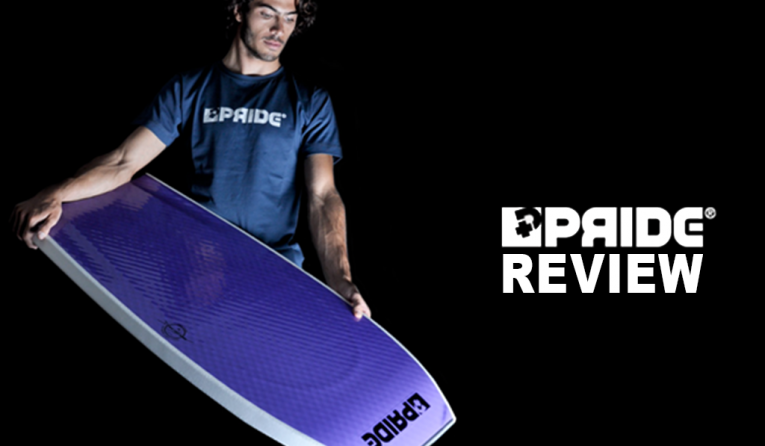
Back in 1999, Imanol Arrizabalaga made an important observation in the world of bodyboarding. He saw that new technologies can be applied to make big leaps in bodyboarding, so he built a small workshop in Biarritz, France, and began a humble production line of top-notch, handmade bodyboards. By combining advanced technology and the masterful touch of building by hand, Pride Bodyboards became a household name in the bodyboarding scene.