Camille Pilar is a surfer and writer in Lingayen, Philippines. She loves to explore new waves and surf trip adventures with her friends.
Browsing All Posts By Camille Pilar

The Beater Board Revolution

Beater Board Revolution

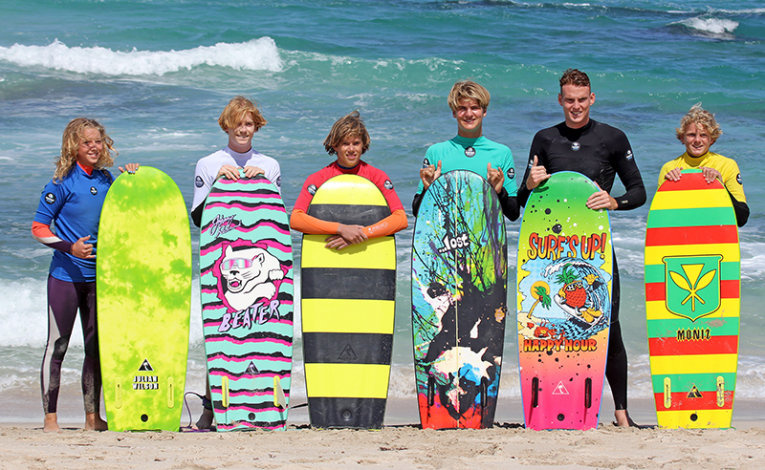
Beater boards are beginning to invade lineups everywhere nowadays thanks to their sleek, retro designs.

We invite you to check out this mini shredder that looks more like a rainbow tombstone than an actual surfboard.


Catch Surf Beater

The soft-top Catch Surf Beater was created in order to make average days out in the water epic days out in the water. 

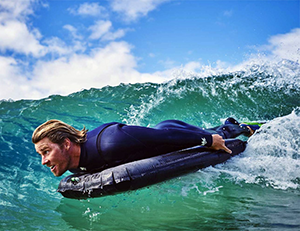
This eclectic summertime fun gun not your typical surfboard of course, though you can definitely ride it like one, as well as like a bodyboard or skimboard. George Arzente, Catch Surf’s creator, credited the Beater board to the company’s shift into the popular surf market.


The Shift To Soft-Top

Before finding out about Catch Surf Beater boards, we could already see a pretty obvious shift to soft-top boards.

What were once unbearable foam logs have now become powerful surfing tools, even for some of the biggest surfers in the world.

Foam tops are great for many reasons.

They’re much easier for beginners to learn on, they’re a lot less expensive than fiberglass boards, and they can ride pretty casually when the waves are small.

Kid with Beater Board


Blackball Surfing

The Catch Surf Company has the slogan, “If you can’t join ‘em, Beat ‘em”. 

This is referring to certain beaches on the west coast that are “blackballed” during summer, meaning they are too packed with swimming crowds for the lifeguards to allow hardtop boards in the water. 

Because the Catch Surf boards are soft-top, finless boards, they are the exception. Surfers know that even if surfing is legally banned in certain locations during certain times, they can still go out and shred with their Beaters.


The Slop

Riding a Beater is all about enjoying the slop, and many big surfers like that. The guys at Catch Surf don’t take themselves too seriously. They know their boards are built for fun and are made to ride in conditions that are sub par, or those that you couldn’t take a normal board out into. Because of the laughably short length and twin fin build, you can easily rocket down the line and maneuver like nothing else.

The board is built with a high-density PE bottom that makes it very durable. The longer ones are much better for actually standing up and riding prone, while the smaller ones are much better for bodyboard-style riding.


Catch Surf Pros

Bet you didn’t think Catch Surf had a serious team, did you?

There is no shortage of pros that have been seen flaunting their Beaters out in the slop. Top shredders such as Jamie O’Brien and Kalani Robb have been riding these things for quite some time. There are even videos of surfers like Taj Burrow ripping the signature 54 special on an otherworldly boat trip to Indonesia.

Most of these dudes are frequenting competitions and hitting the biggest waves in the world, so to see them stoked to have summer fun with their Beaters is pretty awesome.


Retro Surf Culture

The 1980s were crazy times for fashion and surfers more than anyone liked to share in the zany and eclectic. From bright neon wetsuits to reflective to sunglasses, surf culture in the 80s seemed to be more about fashion than functionality. Bodyboarding had even reached its peak in the 80s with teams beginning to hit spots like the Wedge.

The Catch Surf Beater definitely reflects the retro surf culture of the 1980s and is probably the reason why they stand out so much. Some of the available Beater colors include Lettuce Green, Pop Yellow, Water Blue, and, well, you get the picture.


Final Thoughts

Whether you’re on your stomach, knees, butt, or feet, riding a Catch Surf Beater is endless fun. It’s a bit like hybrid surfing and is definitely one for the experimental realm of surfing.

You can even bust out little tricks like shuv-its if you get your practice in. It’s the perfect little shredder for beginner surfers or little ones and an absolute ripper for those advanced surfers who want to explore its possibilities. 

Not only that, you can easily toss this thing in the back of your car and transport it to the beach without hassle. Be apart of the Beater revolution and remember, “If you can’t join ‘em, Beat ‘em”.


READ MORE +

StormBlade Surfboards Review

StormBlade Surfboards Review

Performance and Style – StormBlade Soft Top Surfboards

Catch surf when the waves are less than optimal, or when they are unbelievable on a foam surfboard by StormBlade. These boards are all about performance with style.

Weaving technological advances with high quality materials, StormBlade delivers proven surfboard shapes for many different wave conditions and surfing skill levels.

Continue Reading
READ MORE +

Pride Vulcan Fins Review

Pride Vulcan Swim Fins Review

If you have been bodyboarding for a couple of years now then you will have already tried different pairs of swim fins. Some fins may have disappointed you, while some seemed to lack the key element of human comfort. Looking for the right pair of swim fins is important because you’re only as good as how comfortable you feel in the water.

Continue Reading
READ MORE +

Health Benefits Of The Beach

Health benefits of the Beach

Going to the beach is one of the most delightful things you can do.

People from all around the world are constantly vacationing to beaches while those who can afford it will pay millions to have a coastal property.

What many of us beach lovers don’t realize though, is that there are actually many health benefits of hitting the beach, as well as health benefits of the ocean and ocean air.

Think about, have you ever come home from a beautiful beach day stressed or depressed? Probably not, as ridding ourselves of stress, sadness, or any other negativity, is much the reason why we hit the beach in the first place.

To dive further, let’s talk about some of the main health benefits of going to the beach.


13 Health Benefits of the Beach

  1. Vitamin D Intake

One of the most important vitamins that we can get from the Earth is Vitamin D. Unfortunately it’s difficult to get the right amounts through eating food. Obviously you can take supplements or eat vitamin-enriched foods, though sometimes that won’t even cut it. This is where going to the beach on a sunny day can come in handy. Only 10 minutes in the sun and you can have your complete daily dose of Vitamin D.


  1. Exercise

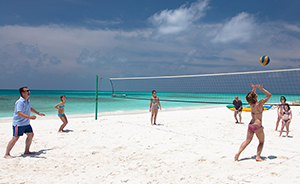
There are pretty much limitless options when it comes to getting a good workout in while you’re out the beach. If you decide to hit the water, you can get in a nice swim or surf session. If you’re more of a landlubber, you can take a run, dig a hole, play some beach volleyball, or just walk around collecting shells. Have you ever noticed how much harder it is to even walk on the sand vs. anywhere else? With the extra effort, the beach can give you that fit look in no time!

People Playing Beach Volleyball


  1. Getting Rid of Stress

Like we said in the beginning of the article, have you ever come back from the beach stressed out? It’s a likely no for most of us. This is because the mix of sun and sea air works together to calm your body. The gentle crashing of the waves is almost like a natural form of binaural beats, relaxing the tension built up in your body and releasing stress from within. This is why it’s such a common thing for manufacturers of sleep devices to use the sounds of crashing waves to put their consumers to sleep. It’s been scientifically proven to fight against the anxiety that many of us face daily.


  1. Sleep

Have you ever noticed that after a day at the beach all you want to do is nap? If you’re someone who suffers from lack of sleep, a good beach trip might just be the cure. The top two reasons why people suffer from insomnia include high stress levels and low physical activity. Like we mentioned above, the beach helps to relieve your stress almost instantly, while also giving you a good workout. Plus, sitting around in the sun tires our bodies out naturally, further becoming a sleep aid.


  1. Breathing

The quality of air as you get closer to the water is known to be much better. This is why it’s so likely for you to want to take a deep breath when you get to the beach. Individuals with certain respiratory afflictions might actually find that they breathe better when they leave they are at the beach, more so than other places. The scientific explanation for this is that the air on the beach is charged with negative ions, helping to increase oxygen levels within your lungs.

Women breathing fresh air


  1. Fighting Infections

Have you ever been in the ocean water with a recent wound, only to feel the relentless, salty sting of Mother Nature herself? Don’t fret, as that painful sting is actually a natural cleansing unlike any other. Salt water has many beneficial qualities, one of them being antibacterial when it comes to wounds and infections. It also acts as somewhat of an immune booster as well, helping you to stay well after treating your infection. This comes from the percentage of iodine in the salt water, something that hospitals utilize quite often as well.


  1. Skin Treatment

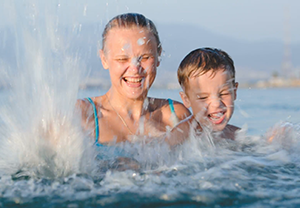
Salt water has many positive effects on the topical spectrum as well. With enough exposure to it, it can help to detoxify your skin, releasing bacteria that build up over time. Again, this is the iodine in the salt water that helps to get rid of bacteria that can turn into nasty breakouts. The sun also helps this process by opening up your pores, allowing salt water to enter and release those toxins.

Splashing water


  1. Help With Aching Muscles or Arthritis

It isn’t any new news that being in the water is one of the best ways to fight things like arthritis, joint pain, or muscle pain. Water helps to take gravity out of the equation, giving your body time to stretch and expand without much resistance.


  1. Supplement Your Iodine Intake

Like we mentioned before, the ocean water has high levels of iodine, helping you to supplement your typical iodine intake, in turn giving you more energy, increasing your metabolism, helping your hair and nails to grow, and regulating your hormones. Those are just the tip of the iceberg, as iodine has a wide variety of health benefits. If you’re looking to optimize the level of iodine in your body, a nice swim in the ocean is the perfect solution.


  1. Get In Touch With Your Spiritual Side

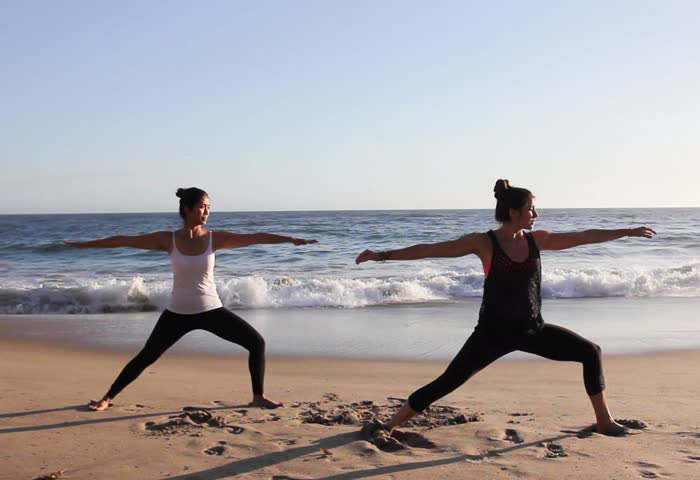
You don’t have to go to church or be religious to have a spiritual side. Going to beach is a great way to have the moments of realization, calmness, oneness, and so on. Being surrounded by beauty and expanse helps you to appreciate all that Mother Nature has to offer. It can help us to feel at peace with ourselves and the things happening in our lives. This is why you so often see people meditating or practicing yoga on the beach.

Practicing Yoga on the beach


  1. Eating Seafood for Lunch or Dinner

If you’re going to the beach, it’s likely that you’ll want to stop somewhere for a bite. Because you’re near the water, there’s a good chance you’ll stop to eat some seafood. Seafood is awesome, as it’s a great source of Omega-3 Fatty Acids, a nutrient that many of us lack here in the US. This can help with heart disease, among other things.


  1. Sand is an Excellent Exfoliator

Playing around in the sand actually does wonders for your skin as well. Because sand is composed of a bunch of mini particles, it acts as an exfoliator. If you’ve ever struggled with having rough feet, hands, or elbows, try rubbing some sand on them next time that you’re at the beach. It’ll help to remove a lot of the dead skin particles that there. Take some home with you as well so you can keep it going!


  1. Great Way To Spend Time With Family and Friends

Lastly, going to the beach is just fun! It allows us to spend time with our friends and family while unplugged from our daily lives. You can have a bonfire, go surfing, toss the Frisbee around, or enjoy a few cold ones.


READ MORE +

The History Of Bodyboarding

The History of Bodyboarding

Bodyboarding: The underdog watersport that has been conquering the world since its inception almost 50 years ago.

While we can trace bodyboarding all the way back to the indigenous Polynesians who rode wooden Alaia boards, it wasn’t until 1971 that we were faced with the modern bodyboard design that we know and love today.

This is all thanks to the bodyboard, or boogieboard, inventor: Tom Morey. On July 9, 1971, Tom Morey woke up with the feeling to create something brand new.

He shaped a small plank that was just 23” wide and 4’6” long.

It only weighed 3 pounds. Of course since he was living on the Big Island, he needed to test it out.

He paddled his way out into Honels, a popular spot on the Western side of the island, and rode the board around in the knee-high surf.

There was no doubt in his mind that he had made something big.

Less than a year later, Morey decided to sign a deal with G&S Surfboards to manufacture and distribute boards.

The brand name: Morey Boogie.

He was absolutely the pioneer of the new sport and sold thousands of boards to people around the world who were eager to be a part of the new movement.


Rubber Mats

Now before we get deeper into bodyboarding history, you must know where the inspiration came from. 

Ever heard of surf mats? These things go all the way back to the 1930s when Ernest Smithers, a physician from Bronte, Australia, invented the world’s first surf mat, the Surf-O-Plane”. It was a four-ribbed rubber mat with one inflation valve and two grip handles up front. It was just under 3-feet in length and was easily the most popular beach item in Australia at the time.

By the 1960s, these mats were EVERYWHERE. They were the classic inflatable surf vehicles and were the predecessors of bodyboards. Interested in riding one? You’ll be happy to know that many manufacturers are continuing to build classic models to this day. Now back to the boogie!

Surf Mat riding


Bodyboarding Pioneers

Bodyboarding would be nothing without the fearless shredders who took it from a play-thing to a serious shred stick. Let’s take a look at some of the most popular pioneers in bodyboarding history:


Phyllis Dameron

Phyllis Dameron was the first woman to ride Waimea Bay on a bodyboard in the late 1970s. At this time, this Oahu beach was known for its massive overheads that even some surfers weren’t brave enough to conquer. What makes Phyllis Dameron so freaking cool is that she was never sponsored, she never entered contests, and her riding was unlike anything else. As a bodyboarder, she was free, and yet, one of the best in history.


Pat Caldwell

No watersport is complete without classic tricks and maneuvers, and Pat Caldwell invented one of the most popular ones: The El Rollo. At 16-years old, Pat hit The Pipeline to show off his lip-hitting, rotating maneuver, with no idea that it would become one of the most fundamental tricks in modern bodyboarding.


Mike Stewart

Nine-time world champion bodyboard Mike Stewart, is easily one of the most experienced bodyboarders alive, and has been riding pipelines since the early 1980s. He won the very first Morey Boogie Bodyboarding Pro Championship at the Pipeline in 1982, won his first on nine world titles in 1983, and invented the Gyroll maneuver, one of bodyboarding’s most popular maneuvers next to the El Rollo.


Morey and the Mach 7

Because bodyboarding was becoming such a popular sport, it was necessary for Morey to create a versatile board that could be ridding by anyone. Therein came the Mach 7-7, a board that still stands today as one of the most iconic and recognizable bodyboards in the world.

The original Mach 7-7 went through a few changes from its inception in 1981. The first generation was revolutionary in that it featured a slick bottom that provided less drag, meaning you could really start to barrel down the line. In 1983, Morey updated the board, added a crescent tail for versatility, and designed a classic orange-stripe bottom to give the board a more aesthetic appeal. The Third generation came around in 1989 and featured similar rails, an orange bottom, and a sweet little logo.

From there on, Morey introduced new generations like the Mach 7 SS and the Mach 7 X, both of which are still being manufactured and updated today.


Other Pioneering Companies

BZ

Bobby Szabad, one of Morey’s first apprentices, was a pioneer rider for Morey bodyboarding team. He worked from the bottom with Morey and was the head of production in many of his factories. He eventually left in the 80s to start BZ, a now-household name in bodyboarding. The boards, more than any other, were meant for high-performance riders who wanted to get out in more serious conditions.


Wham-O

After Tom Morey sold Morey Boogie to Kransco in1977, Kransco sold it to Wham-O in 1994. While they may not be the true creators of the bodyboards, they took the once unknown product and pushed it to a consumer market. If you were a kid in the 90s, there’s no doubt you knew about Wham-O. From Slip-N’-Slides to Hula Hoops to Frisbees and beyond, the company was and is still to this day, all about fun.

In the midst of bodyboards that are made for pros, Wham-O knew that they needed to market their less expensive boards to kids and families who just wanted some good, wholesome fun in the water, and that’s exactly what they did.


Science Bodyboards

In 1998, Mike Stewart launched his own bodyboarding company: Science Bodyboards. He took the wealth of knowledge and experience he had to manufacture some of the best bodyboards in the world. The most popular board was the “Zero Board”, a board that was a replica of the one he won his 11th pipe title on.


Hubboards

Hubboards was created by Jeff Hubbard, the 2012 IBA World Tour Bodyboarding champion. A year later, he created a modern-day pioneering company: Hubboards. These boards are no joke and are made for those who are involved in the serious sporting aspect of bodyboarding. Their quad-core board are highly-praised throughout the bodyboarding community for their speed, durability, and high-performance features. The guys at Hubboards are easily the next generation pioneers of the sport.


The Evolution

The first bodyboards were manufactured by Tom Morey in his own backyard. They were cut from polyethylene foam, glued together, and finished with tape. The first one even had newspaper all over it. Since then, bodyboards have gone through numerous evolutions in terms of designs and features.

Modern boards are now made with different types of foam cores including polyethylene, arcel, polypropylene, and have bottoms made of Surlyn or Bixby. They’re much stronger than traditional boards and have more flex, control, and speed. Unlike traditional boards, modern boards will typically have stringers made of wood, carbon, or graphite, to give the board stiffness. Needless to say, they’ve come quite a way


The World Tour

The APB World Tour, which started as the GOB World Tour in 1994 and changed to the IBA World Tour in 2003 before accepting its current name, was born out of the success of past world championships like the Morey Boogie Bodyboard Pro. It came around just after the era of Mike Stewart’s title domination, and paved way for bodyboarders around the world to compete.

The very first GOB World Tour was held in Brazil. The title was taken home by Guilherme Tamega and Claudia Ferrari. Since then, the World Tour’s have been held all around the world in countries such as South Africa, Australia, the US, and even France.


Drop Knee Bodyboarding

Drop Knee Bodyboarding, otherwise known as DKA, is a style of bodyboarding that takes a different approach. Instead of riding flat, bodyboarders began to ride on one knee. They style had been around since the inception of bodyboards, though companies didn’t really start manufacturing the proper gear for it until the mid-1980s.

DK riders have more of the weight on the back of the boards, meaning DK boards needed to wider tails and thinner noses. It was also important for these riders to build up speed before entering a wave, so it was necessary that they wear fins to get the best rides possible. DK bodyboarding allowed for the introduction of tricks that were once exclusive to surfing. If you ever want to take a break from riding prone, we recommend giving this style of riding a shot.


Frequently Asked Questions

Can you surf big waves with a bodyboard?

Absolutely, though you really need to be confident in your abilities, as not many mistakes are accepted in big wave riding. Just ask Mike Stewart and Ben Severson, who first took their bodyboards to Teahupoo in Tahiti (one of the world’s most notorious big waves) in 1986.


What is the craziest trick ever pulled in bodyboarding?

While it’s a subjective question, there is certainly one that comes to mind. In 2013, bobyboarder Jake Stone became the first person to ever pull of a 720 air on a bodyboard. This maneuver made history as it was completed during the New South Wales Coast Crusade. It has no doubt set a benchmark in the world of bodyboarding for newcomers to top.


Final Thoughts

Bodyboarding is certainly still the youngest of all of the watersports out there. There will be many generations before it catches up with surfing in terms of popularity and industrial growth. As a competitive sport, it is still very much on the underground.

Even with all that said, bodyboards are pretty much available everywhere and their availability and popularity will only continue to grow as time moves on.


READ MORE +

9 Best Waterproof Watch Reviews

Best Waterproof Watches

Selecting the perfect watch isn't always a walk in the park.

Among the myriad of things to consider when searching for one, one of the most significant factors for many is whether or not the watch is waterproof.

Just so you know, waterproof watches aren’t only for surfers or divers; they're great for any man, woman, or child who doesn't want the stress of trying to make sure they keep their wrists out of water's way at all times.

Continue Reading
READ MORE +